
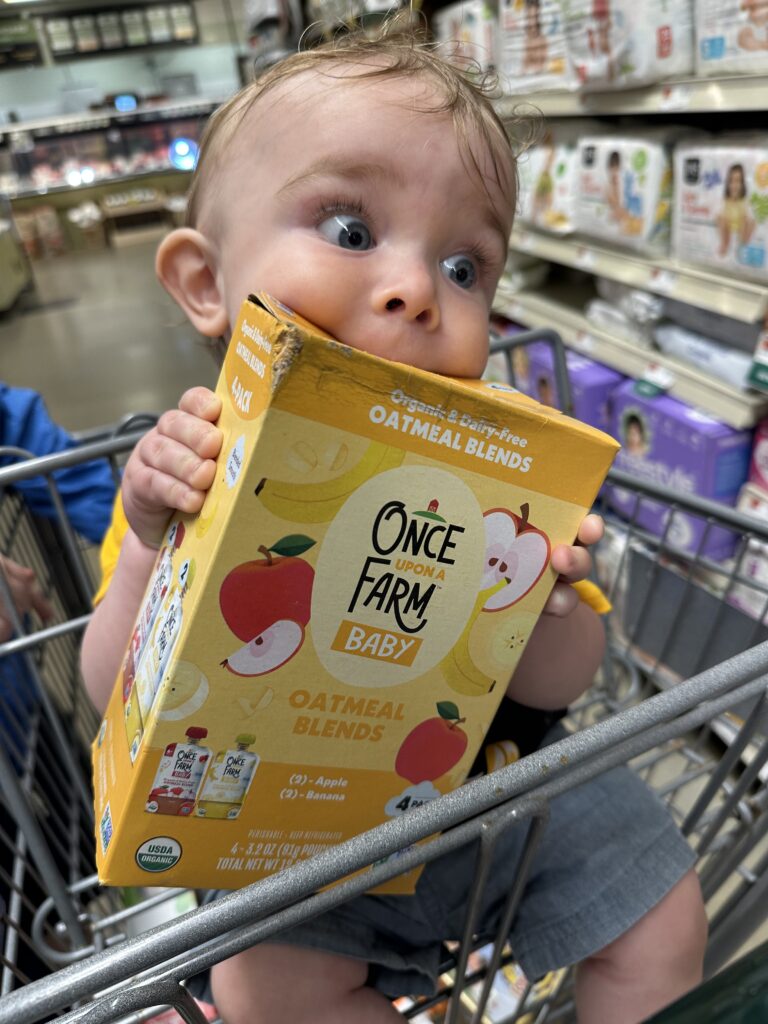
Decode food packaging like a pro—learn how to spot sneaky additives, unhealthy oils, and what “natural” really means (spoiler: it doesn’t mean much).
🥛 Why Ingredient Labels Matter
Reading the back of the package is one of the most important skills for making healthy choices—more important than calorie counting or believing everything a cereal box tells you. But labels can be confusing, and food companies are basically magicians at making junk sound like health food.
This guide will teach you:
- How to quickly scan an ingredient label for red flags
- What order of ingredients tells you (hint: sugar listed first is… not ideal)
- Common “healthy-sounding” ingredients to watch out for
- Tips for choosing better options (without needing a PhD in food science)
🔍 Step 1: Start With the Ingredient List (Not the Front!)
Ignore the bold promises on the front (“All Natural!” “Whole Grain!” “Fat-Free!”) and turn straight to the back. If the front of the box were honest, it would probably just say: “This looks healthy, but it’s not.”
✅ Rule of Thumb:
- The shorter the list, the better. If it’s longer than your grocery list, proceed with caution.
- Ingredients are listed in order of quantity—the first 3–5 make up the bulk of what you’re eating. So if sugar is the second ingredient… guess what you’re mostly eating?
⚩️ Step 2: Know the Red Flags
Here are common ingredients that should make you pause—or run.
❌ Added Sugars (Disguised under 50+ names!)
- Corn syrup, brown rice syrup, fructose, cane juice, dextrose, agave, maltodextrin, and more.
- Look for “added sugars” on the Nutrition Facts panel too. Pro tip: if it ends in “-ose,” it’s probably sugar wearing a fake mustache.
❌ Inflammatory Oils
- Canola oil, soybean oil, corn oil, palm oil, “vegetable oil”
- These oils sneak into everything, like that one coworker who never contributes to the potluck but always takes leftovers.
❌ Artificial Additives & Preservatives
- BHT, BHA, TBHQ, artificial colors (Red 40, Yellow 5), MSG
- These sound like bad passwords, but they’re actually just things you don’t want in your body.
❌ Unrecognizable Ingredients
If you can’t pronounce it and don’t know what it is… it probably doesn’t belong in your snack. Unless you think “polyvinylpolypyrrolidone” sounds like a tasty treat. More posts on these chemical sounding names to come. Not all of them are bad, but knowing what they are before eating them, is a good idea.
🥦 Step 3: What to Look for Instead
Here’s what a clean, healthy ingredient list often includes:
- Whole ingredients: oats, almonds, chia seeds, dried fruit, spices
- Real sweeteners: dates, maple syrup, honey (in small amounts—not like half the jar)
- Natural preservatives: vinegar, lemon juice, sea salt
🤔 Step 4: Don’t Be Fooled By These “Health Halos”
Marketing can trick even savvy shoppers. Watch out for:
| Label Says | What It Might Mean |
|---|---|
| Natural | Not regulated—can still include sugar, oils, chemicals |
| Made with Whole Grains | Can contain mostly refined flour with a sprinkle of whole grain |
| Fat-Free | May be loaded with sugar to boost flavor |
| Gluten-Free | Doesn’t mean it’s healthy—can still be ultra-processed |
| Organic | Better, but still check the ingredient list! |
If marketing labels had a truth filter, “Fat-Free” would probably read: “Now With Extra Sugar!”
💡 Bottom Line
You don’t need to be a nutritionist to read ingredient labels—you just need a little practice and a healthy dose of skepticism. Stick to foods made from real, whole ingredients you recognize. With time, you’ll be able to spot the good, the bad, and the sneaky faster than a toddler finds a cookie jar.